EARLY-STAGE VENTURE CAPITAL FOR INSURANCE, RISK, AND TECHNOLOGY
Industries Built on Risk
Industries Built on Risk
How Crystal Venture Partners Thinks About Risk and Invests in It
Insurance is my home turf. I spent 20 years as an operator in brokerage, watching deals in dozens of industries turn on who ended up holding the risk.
In an M&A transaction, a buyer and seller could agree on the value of a business and still get stuck on an exposure neither wanted to carry. Finding someone willing to insure it could get everyone to the closing table. Same business. Different way of handling the risk.
Today I lead Crystal Venture Partners, a New York-based early-stage venture capital firm. We back founders transforming industries built on risk. Every business faces risk; these industries are paid to handle it. We invest where handling risk is central to what the customer buys and how the company earns money.
Hundreds of billions of dollars are being invested in AI infrastructure on the premise that the technology will transform every industry. Over the next decade, we expect some of the most valuable companies of this wave to be the ones that make that progress possible to finance, insure and adopt.
Promising technology stalls when no one agrees on who carries the risk of being wrong. There is a business in resolving that standoff. Insurance has been doing it for centuries, and AI is changing the economics of who can do it, and for whom.
We expect specialist teams to build substantial insurance businesses using established insurers’ capital. An underwriter who understands an exposure, or a broker who knows why customers are poorly served, can build a company around that insight, with AI handling work that once required a larger team. The founder builds the customer relationships and underwriting expertise; the insurer supplies the balance sheet and carries the insured risk. Customers still need a reason to move.
Technology will also keep creating new activities that need financing and protection. A business allowing AI to make consequential decisions has to decide which mistakes it can absorb and which it needs protection against. A software vendor promising accuracy will eventually encounter a customer who wants that promise backed by something.
We expect new warranties, insurance products and businesses distributing them to grow around those demands.
Our experience in insurance gives us a way to invest in that growth. It has already taken us into outer space.
Charter Space, one of our portfolio companies, is building an insurance brokerage and underwriting platform for the space economy. It turns spacecraft manufacturing and test data into information underwriters can use to price coverage. We can back that market without having to pick the winning spacecraft manufacturer.
Better information has limits. A more accurate assessment of wildfire or cyber exposure does not make a home or business safer. If expected losses are too high, faster analysis gets the insurer to “no” sooner. Doing something about the exposure is a different proposition.
A modest improvement in loss prevention can be worth more than a dramatic reduction in paperwork. After a disaster, faster recovery can determine whether a business reopens or a family returns home.
Bright Harbor, one of our portfolio companies, began by helping natural disaster survivors find funding and navigate recovery. Today, its platform supports state aid programs in Indiana, Nevada and Washington. A business built around helping families navigate recovery now helps governments administer it.
Creating value and keeping it are different accomplishments.
We assume a competitor can buy the same AI. Lower operating costs will bring more competition. Customers will want some of the savings. Insurers supplying scarce capacity will have their own views about how the economics should be divided.
We expect enduring value to accumulate in companies that earn the customer relationship and keep delivering on it. A brokerage retains an account, adds products as the customer grows and earns revenue year after year. An underwriting business develops a record that gives insurers confidence in the risks it selects. Those businesses can compound as the technology gets cheaper.
Trust takes more than a good sales pitch. The customer is relying on a promise that may not be tested for years. The institutions providing the capital are making a similar judgment about the people selecting and managing the risks. Both need reasons to stay.
This is where we earn our place on the cap table. In these industries, a founder can have excellent technology and still fail, because someone with capital at stake has to say yes: a lender extending credit, an insurer granting capacity. We spent twenty years getting institutions like these to yes, and we know which terms quietly strangle a young company.
Our edge is shortening the distance to yes. We know what the evidence has to look like and who has to see it, and we put founders in front of those decision makers from the first check. A company that gets to yes faster gives up less of itself along the way.
That is the capital we provide.
Insurance is my home turf. I spent 20 years as an operator in brokerage, watching deals in dozens of industries turn on who ended up holding the risk.
In an M&A transaction, a buyer and seller could agree on the value of a business and still get stuck on an exposure neither wanted to carry. Finding someone willing to insure it could get everyone to the closing table. Same business. Different way of handling the risk.
Today I lead Crystal Venture Partners, a New York-based early-stage venture capital firm. We back founders transforming industries built on risk. Every business faces risk; these industries are paid to handle it. We invest where handling risk is central to what the customer buys and how the company earns money.
Hundreds of billions of dollars are being invested in AI infrastructure on the premise that the technology will transform every industry. Over the next decade, we expect some of the most valuable companies of this wave to be the ones that make that progress possible to finance, insure and adopt.
Promising technology stalls when no one agrees on who carries the risk of being wrong. There is a business in resolving that standoff. Insurance has been doing it for centuries, and AI is changing the economics of who can do it, and for whom.
We expect specialist teams to build substantial insurance businesses using established insurers’ capital. An underwriter who understands an exposure, or a broker who knows why customers are poorly served, can build a company around that insight, with AI handling work that once required a larger team. The founder builds the customer relationships and underwriting expertise; the insurer supplies the balance sheet and carries the insured risk. Customers still need a reason to move.
Technology will also keep creating new activities that need financing and protection. A business allowing AI to make consequential decisions has to decide which mistakes it can absorb and which it needs protection against. A software vendor promising accuracy will eventually encounter a customer who wants that promise backed by something.
We expect new warranties, insurance products and businesses distributing them to grow around those demands.
Our experience in insurance gives us a way to invest in that growth. It has already taken us into outer space.
Charter Space, one of our portfolio companies, is building an insurance brokerage and underwriting platform for the space economy. It turns spacecraft manufacturing and test data into information underwriters can use to price coverage. We can back that market without having to pick the winning spacecraft manufacturer.
Better information has limits. A more accurate assessment of wildfire or cyber exposure does not make a home or business safer. If expected losses are too high, faster analysis gets the insurer to “no” sooner. Doing something about the exposure is a different proposition.
A modest improvement in loss prevention can be worth more than a dramatic reduction in paperwork. After a disaster, faster recovery can determine whether a business reopens or a family returns home.
Bright Harbor, one of our portfolio companies, began by helping natural disaster survivors find funding and navigate recovery. Today, its platform supports state aid programs in Indiana, Nevada and Washington. A business built around helping families navigate recovery now helps governments administer it.
Creating value and keeping it are different accomplishments.
We assume a competitor can buy the same AI. Lower operating costs will bring more competition. Customers will want some of the savings. Insurers supplying scarce capacity will have their own views about how the economics should be divided.
We expect enduring value to accumulate in companies that earn the customer relationship and keep delivering on it. A brokerage retains an account, adds products as the customer grows and earns revenue year after year. An underwriting business develops a record that gives insurers confidence in the risks it selects. Those businesses can compound as the technology gets cheaper.
Trust takes more than a good sales pitch. The customer is relying on a promise that may not be tested for years. The institutions providing the capital are making a similar judgment about the people selecting and managing the risks. Both need reasons to stay.
This is where we earn our place on the cap table. In these industries, a founder can have excellent technology and still fail, because someone with capital at stake has to say yes: a lender extending credit, an insurer granting capacity. We spent twenty years getting institutions like these to yes, and we know which terms quietly strangle a young company.
Our edge is shortening the distance to yes. We know what the evidence has to look like and who has to see it, and we put founders in front of those decision makers from the first check. A company that gets to yes faster gives up less of itself along the way.
That is the capital we provide.
Crystal Venture Partners invests at pre-seed and seed in founders transforming industries built on risk. First checks of $2 million to $5 million.
EARLY-STAGE VENTURE CAPITAL FOR INSURANCE, RISK, AND TECHNOLOGY
Industries Built on Risk
How Crystal Venture Partners Thinks About Risk and Invests in It
Insurance is my home turf. I spent 20 years as an operator in brokerage, watching deals in dozens of industries turn on who ended up holding the risk.
In an M&A transaction, a buyer and seller could agree on the value of a business and still get stuck on an exposure neither wanted to carry. Finding someone willing to insure it could get everyone to the closing table. Same business. Different way of handling the risk.
Today I lead Crystal Venture Partners, a New York-based early-stage venture capital firm. We back founders transforming industries built on risk. Every business faces risk; these industries are paid to handle it. We invest where handling risk is central to what the customer buys and how the company earns money.
Hundreds of billions of dollars are being invested in AI infrastructure on the premise that the technology will transform every industry. Over the next decade, we expect some of the most valuable companies of this wave to be the ones that make that progress possible to finance, insure and adopt.
Promising technology stalls when no one agrees on who carries the risk of being wrong. There is a business in resolving that standoff. Insurance has been doing it for centuries, and AI is changing the economics of who can do it, and for whom.
We expect specialist teams to build substantial insurance businesses using established insurers’ capital. An underwriter who understands an exposure, or a broker who knows why customers are poorly served, can build a company around that insight, with AI handling work that once required a larger team. The founder builds the customer relationships and underwriting expertise; the insurer supplies the balance sheet and carries the insured risk. Customers still need a reason to move.
Technology will also keep creating new activities that need financing and protection. A business allowing AI to make consequential decisions has to decide which mistakes it can absorb and which it needs protection against. A software vendor promising accuracy will eventually encounter a customer who wants that promise backed by something.
We expect new warranties, insurance products and businesses distributing them to grow around those demands.
Our experience in insurance gives us a way to invest in that growth. It has already taken us into outer space.
Charter Space, one of our portfolio companies, is building an insurance brokerage and underwriting platform for the space economy. It turns spacecraft manufacturing and test data into information underwriters can use to price coverage. We can back that market without having to pick the winning spacecraft manufacturer.
Better information has limits. A more accurate assessment of wildfire or cyber exposure does not make a home or business safer. If expected losses are too high, faster analysis gets the insurer to “no” sooner. Doing something about the exposure is a different proposition.
A modest improvement in loss prevention can be worth more than a dramatic reduction in paperwork. After a disaster, faster recovery can determine whether a business reopens or a family returns home.
Bright Harbor, one of our portfolio companies, began by helping natural disaster survivors find funding and navigate recovery. Today, its platform supports state aid programs in Indiana, Nevada and Washington. A business built around helping families navigate recovery now helps governments administer it.
Creating value and keeping it are different accomplishments.
We assume a competitor can buy the same AI. Lower operating costs will bring more competition. Customers will want some of the savings. Insurers supplying scarce capacity will have their own views about how the economics should be divided.
We expect enduring value to accumulate in companies that earn the customer relationship and keep delivering on it. A brokerage retains an account, adds products as the customer grows and earns revenue year after year. An underwriting business develops a record that gives insurers confidence in the risks it selects. Those businesses can compound as the technology gets cheaper.
Trust takes more than a good sales pitch. The customer is relying on a promise that may not be tested for years. The institutions providing the capital are making a similar judgment about the people selecting and managing the risks. Both need reasons to stay.
This is where we earn our place on the cap table. In these industries, a founder can have excellent technology and still fail, because someone with capital at stake has to say yes: a lender extending credit, an insurer granting capacity. We spent twenty years getting institutions like these to yes, and we know which terms quietly strangle a young company.
Our edge is shortening the distance to yes. We know what the evidence has to look like and who has to see it, and we put founders in front of those decision makers from the first check. A company that gets to yes faster gives up less of itself along the way.
That is the capital we provide.
Crystal Venture Partners invests at pre-seed and seed in founders transforming industries built on risk. First checks of $2 million to $5 million.
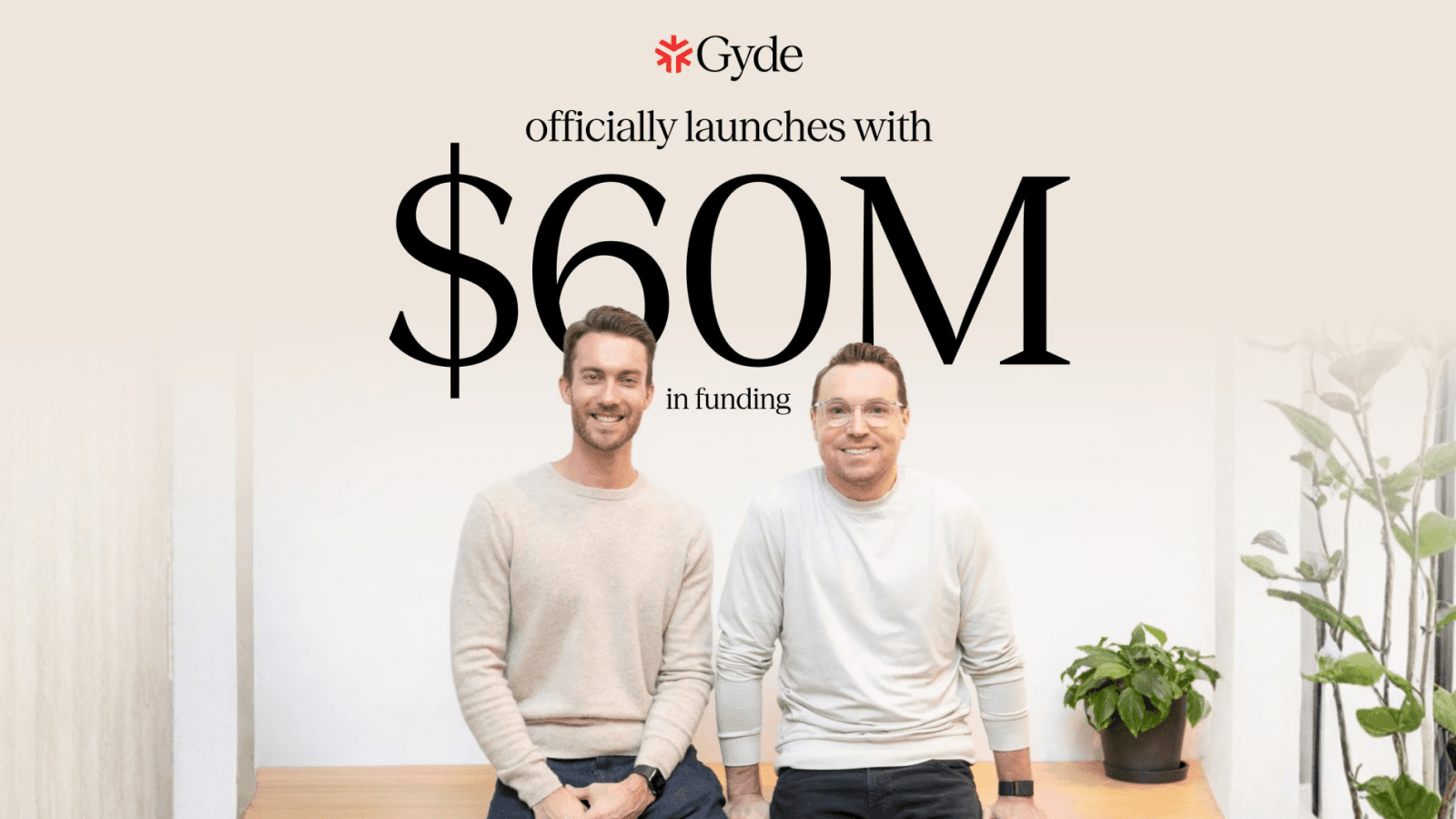
Exclusive: Gyde Raises $60M to Buy Insurance Agencies
Exclusive: Gyde Raises $60M to Buy Insurance Agencies
Exclusive: Gyde Raises $60M to Buy Insurance Agencies
Exclusive: Gyde Raises $60M to Buy Insurance Agencies
Lightspeed led the funding, with participation from Optum Ventures, Crystal Venture Partners, Virtue, MVP Ventures, and multiple endowment funds.
Lightspeed led the funding, with participation from Optum Ventures, Crystal Venture Partners, Virtue, MVP Ventures, and multiple endowment funds.
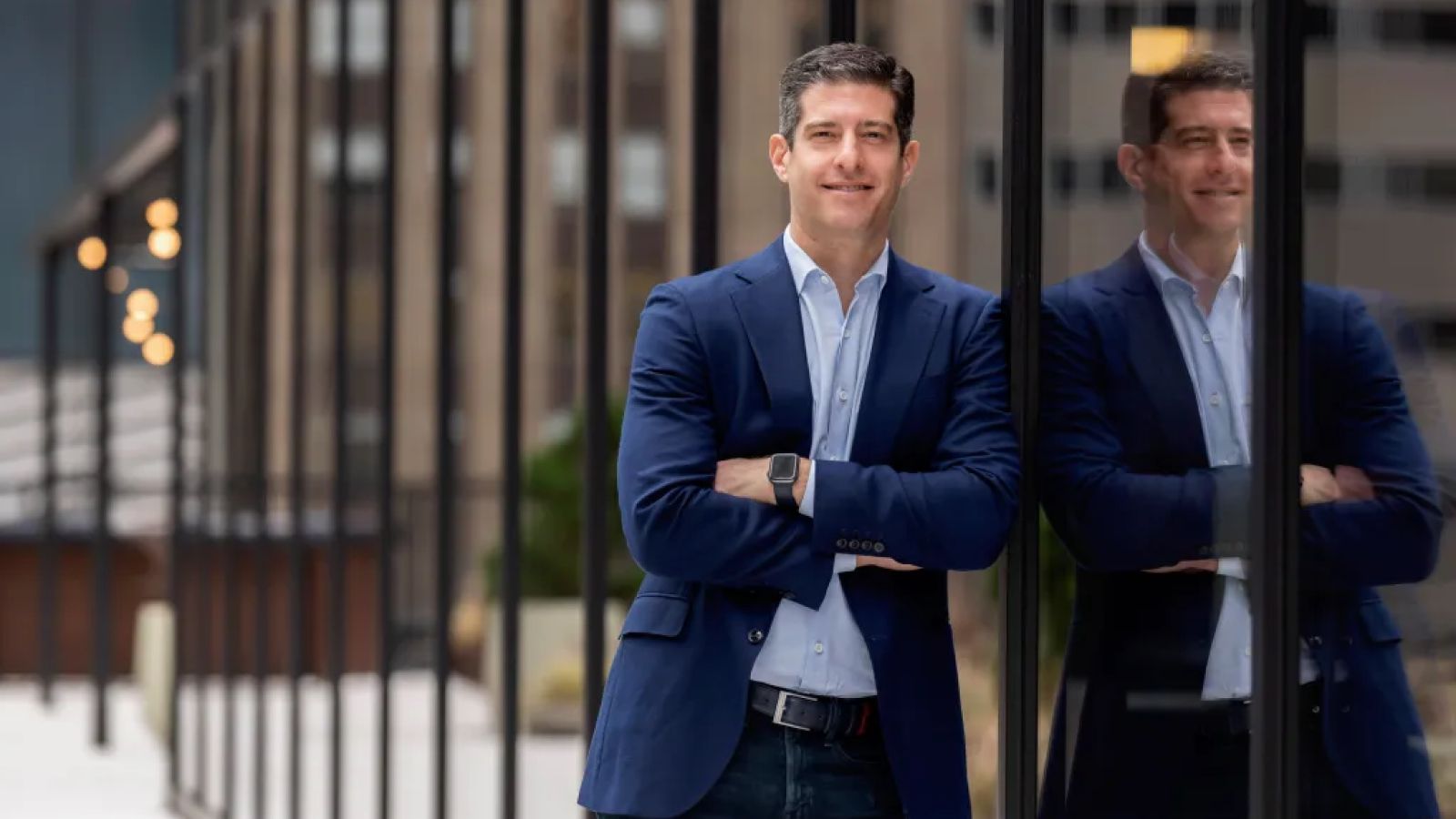
Former Insurance Exec Raises $33 Million Fund for New York
Former Insurance Exec Raises $33 Million Fund for New York
Former Insurance Exec Raises $33 Million Fund for New York
Former Insurance Exec Raises $33 Million Fund for New York
Jonathan Crystal raised $33M for Crystal Venture Partners' first fund, backed by family offices and global insurers. The former insurance exec backs AI-driven startups like Bright Harbor and Sixfold.
Jonathan Crystal raised $33M for Crystal Venture Partners' first fund, backed by family offices and global insurers. The former insurance exec backs AI-driven startups like Bright Harbor and Sixfold.
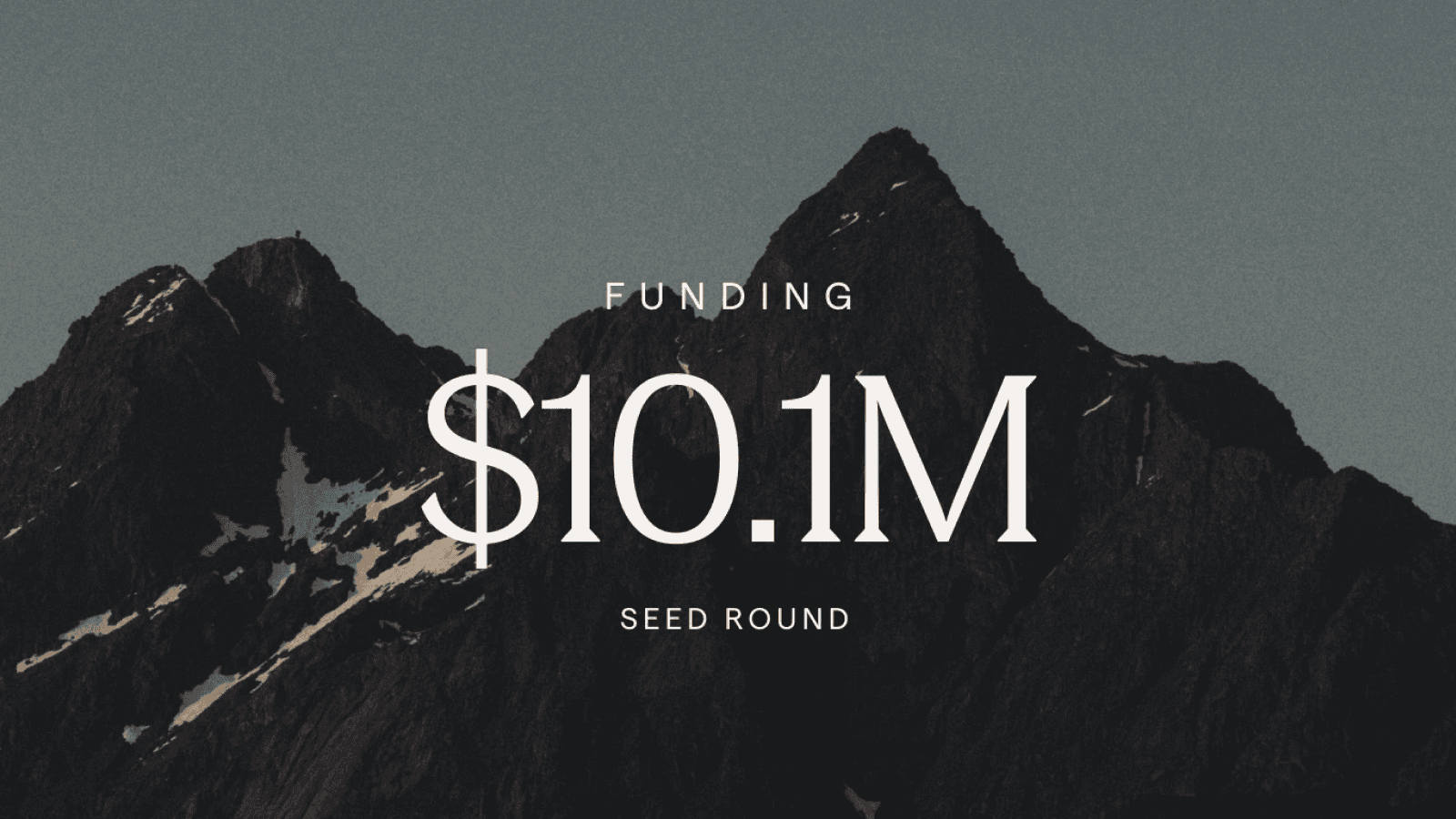
Bright Harbor Raises $10.1M Seed to Build the Disaster Operating System
Bright Harbor Raises $10.1M Seed to Build the Disaster Operating System
Bright Harbor Raises $10.1M Seed to Build the Disaster Operating System
Bright Harbor Raises $10.1M Seed to Build the Disaster Operating System
Bright Harbor raised $10.1M to build the disaster operating system helping survivors navigate recovery faster. Co-led by Congruent Ventures and Lowercarbon Capital, with Crystal Venture Partners.
Bright Harbor raised $10.1M to build the disaster operating system helping survivors navigate recovery faster. Co-led by Congruent Ventures and Lowercarbon Capital, with Crystal Venture Partners.
Crystal Venture Partners© 2025 All Rights Reserved